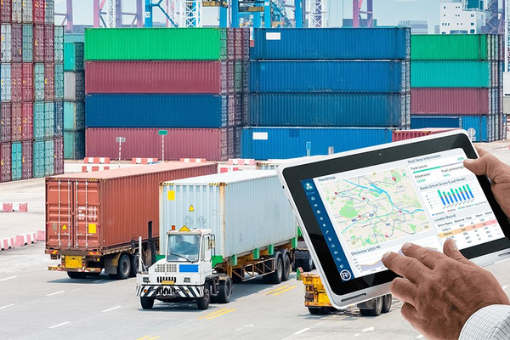
Most Indian transport companies are not confined to operate solely on the basis of their own fleet of vehicles. On any busy day, most of the transportation happens via hired market vehicles, attached trucks, and third-party service providers. This gives the organization an ability to expand and grow, but on the other hand, makes it difficult to maintain proper control, as the hardest logistics issue arises here of keeping track of the amount owed, to whom, and how the task is performed.
This is where the software to manage transport vendors and subcontractors helps out.
What Is Transport Vendor and Subcontractor Management Software?
Transport vendor and subcontractor management software refers to a system that keeps track of all hired vehicles, brokers, and subcontractors, connects them with individual trips and manages the entire payable cycle, right from setting rates to making payments.
It forms part of a larger transport management software system. Both your own fleet and customer billing remain on the same platform, meaning that a subcontracted trip can be invoiced and settled with the same rigor as an owned vehicle trip.
A good case study: A transporter based in Noida gets a 20 tonne cargo for Pune. There are no spare trucks available, and hence he decides to arrange the transportation of cargo using market vehicles through the help of a broker. The software tracks down vendor, truck registration number, driver name, freight rate, advance money received, and delivery date.
Why Spreadsheets and Phone Calls Stop Working
Many operators still manage subcontractors through WhatsApp, diaries and Excel. This breaks down in predictable places:
- Advance leakage: cash or bank advances paid to drivers and brokers are not adjusted against the final bill.
- Rate disputes: the rate agreed on the phone differs from the rate claimed on the invoice.
- Missing PODs: balance payments are released before proof of delivery is received, or held for months because nobody tracks pending PODs.
- Unclear trip profit: freight earned from the customer is never matched to the hire cost paid to the vendor.
- Compliance gaps: vendor PAN, GST details, TDS treatment and vehicle documents are scattered or missing.
Software for transport management closes these gaps by making every payment traceable to a trip, a vendor and a document.
Core Features of Transport Vendor and Subcontractor Management Software
1. Vendor and Subcontractor Master
One record per broker, per fleet owner, or per sub-contractor containing PAN, GSTIN, banking details, number of vehicles, as well as validity of RC, permit, insurance, and fitness documents. Expiry reminders will help to avoid taking a vehicle that has expired documents.
2. Rate Contracts and Vendor Rates
Save agreed prices for each route according to the mode of transport and the load basis (per trip, per tonne, or per kilometer). When there is an agreement for the trip, the system fetches the agreed price rather than remembering the prices.
3. Trip Allocation for Hired Vehicles
In the transport management system, trips can be allocated to the owned or hired vehicles on one screen. The trips that are hired will have details about the vendor, vehicle, driver and route, so everyone gets similar information.
4. Advances, Deductions and Balance Settlement
Enter record increases (in cash, banks, or fuel), then automatically adjust them during the final settlement process. Shortage, damages, and delays are adjusted during the trip and cannot be argued later on.
5. POD-Linked Payments
Balance payments can be held until the POD is uploaded and verified. This single control protects cash flow and gives customer billing the documents it needs.
6. Vendor Ledger, TDS and GST Handling
The vendor always has an ongoing account of advances, billings, debits and credits made to him. Transport management system software should also be able to provide for TDS on payments to contractors, declarations of transporters and GST on freight.
7. Reports and Dashboards
Features that make good transport logistics software should include trip wise profit margins on hired vehicles, payable ageing by vendors, pending PODs, cost comparison between owned and hired vehicles, and vendor performance based on on-time delivery. With Power BI, transport logistics software helps create live dashboards out of these reports for management.
How Vendor Management Fits into Transport Management Software
Vendor and subcontractor control should not be a separate app. It works best as one module of complete transport management software, connected to:
- Trip costing – hire charges become part of trip cost automatically.
- Freight billing – the customer invoice and the vendor payable sit on the same trip.
- Driver and fuel management – fuel advances to hired vehicles are tracked like own-fleet fuel.
- Finance – vendor bills post directly to payables, with branch-wise and cost-centre reporting.
An ERP handles operations and accounts together, without linking three or four tools.
Why Microsoft Dynamics 365 Business Central Works Well
ERP for cloud Microsoft Dynamics 365 Business Central comes integrated with efficient vendor management, purchase transactions, approvals, ledgers and vendor payment journals. Once this ERP system is integrated into logistics, it turns out to be transport logistics software suitable for Indian users.
Preeminent Softcom integrates Business Central for the logistics and transport CHA industry with modules for route costing, cargo invoicing with multi-state GST, driver expense management, diesel and toll management, proof of delivery management, vehicle management and Power BI reports. Thus, we get the software for managing transport vendors and subcontractors.
Benefits of this approach:
- One system for own fleet and hired vehicles
- GST-ready invoicing and e-way bill support
- Multi-branch accounting for networks across states
- Approval workflows before vendor payments are released
- Scales from small fleet operators to large multi-state logistics networks
Who Needs Software for Transport Management with Vendor Control?
This kind of software for transport management is most useful for:
- Fleet owners who regularly hire market vehicles during peak demand
- Transport contractors and brokers handling many subcontractors
- 3PL and freight forwarding companies running transport logistics software across multiple carriers
- CHA firms coordinating transporters for port and ICD movements
- Manufacturers and distributors managing outsourced transport vendors
How to Choose the Right Transport Vendor and Subcontractor Management Software
Use this checklist before you shortlist transport management software:
- Trip-level linkage: every advance, bill and payment must link to a trip.
- Indian compliance: GST, e-way bill, TDS and vendor KYC support.
- Integration with accounts: no double entry between operations and finance.
- Mobile and document capture: POD and vehicle documents uploaded from the field.
- Reporting depth: vendor-wise profitability and payables ageing.
- Implementation partner experience: a partner who understands transport workflows, not just general ERP.
For a broader view of fleet tools, read our guide on best fleet management software for luxury car businesses. If you also need to compare ERP partners, see best Microsoft Dynamics 365 Business Central partners in India.
Frequently Asked Questions
What is subcontractor management in transport?
Management of subcontractors in transport involves managing the vehicles, brokers, and third parties hired for operations such as rates, trip allocation, advance payment, and proof of delivery (POD). This is facilitated through software.
Can transport management software handle both own and hired vehicles?
Yes. Proper transportation management software controls both company-owned and rented vehicles on one system so that trips costs, billing, and profitability reports cover the whole fleet.
How does transport vendor and subcontractor management software reduce payment disputes?
They maintain an account of pre-negotiated rates in the form of contracts, relate advances and deductions to each individual journey, and pay out balance amounts only upon the verification of Proof of Delivery.
Is Business Central suitable for small transport companies?
Yes. Business Central functions as transportation logistics software for both small fleets and larger multi-state systems, and additional modules can be added as the business grows.
How long does implementation take?
For Preeminent Softcom’s logistics deployments on Business Central, implementation typically takes 16–24 weeks, depending on fleet size, number of locations and process complexity.
Take Control of Your Hired Fleet
Hired trucks and subcontractors assist you to accept all cargo. Correct selection of transport service provider and proper use of subcontractor management software ensures that each of these trips is profitable and gets accounted properly.
Premier Softcom, located in Noida, assists transport companies, logistics management and CHA companies in India to implement Microsoft Dynamics 365 Business Central as transport management software.